EB Castings supplies alloy castings and forgings for industrial components and replacement parts. A useful quality requirement connects the material specification with the finished component: the correct alloy, the dimensions that matter for installation, the required delivery condition and the documents needed for acceptance. Clear requirements at the enquiry stage help make quotations comparable and reduce avoidable questions later.
Start with the current drawing revision and identify the working surfaces, locating features, holes, threads and assembly interfaces. State whether the part is required as cast, heat treated, rough machined or finish machined. For a replacement component, provide the mating dimensions and describe the service conditions rather than relying on a photograph alone.
Hardness, mechanical tests and non-destructive examination should be selected for the component and specified acceptance criteria, not assumed from a general product description. Where an additional test or witness inspection is required, include it in the technical enquiry so its scope can be reviewed before the order is confirmed.
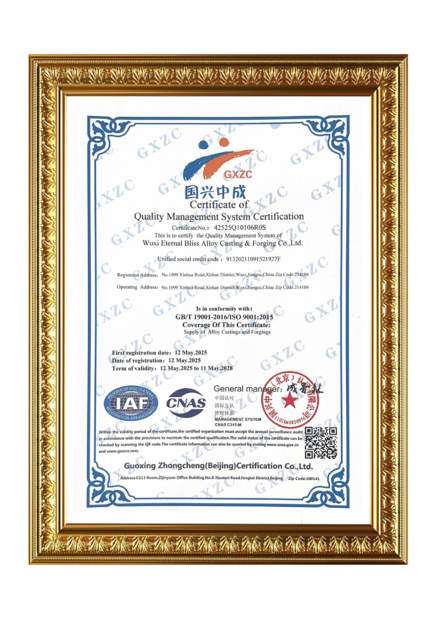
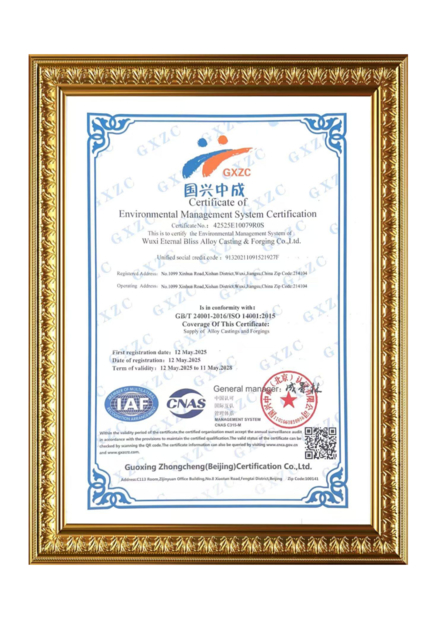
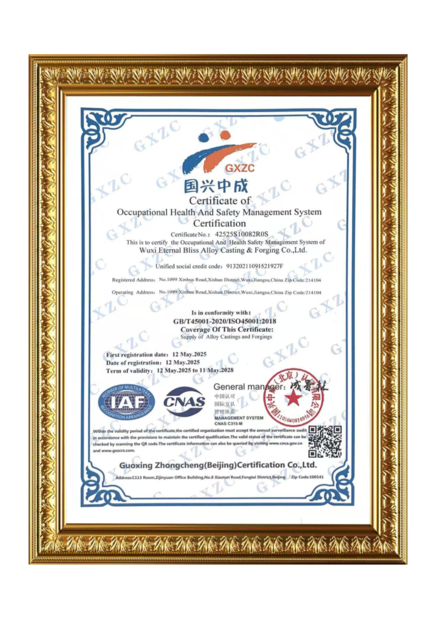
The management-system certificate images below identify ISO 9001:2015, ISO 14001:2015 and ISO 45001:2018, with the stated scope of supply of alloy castings and forgings. Refer to each document for the certified entity, certificate number, dates and scope. Management-system certification is separate from the inspection and acceptance of an individual component or batch.
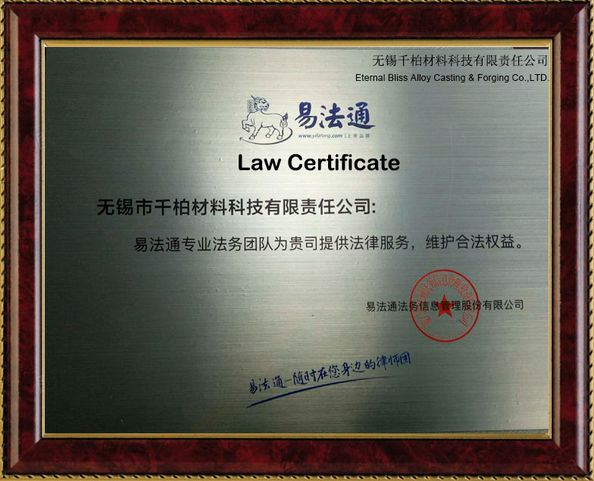
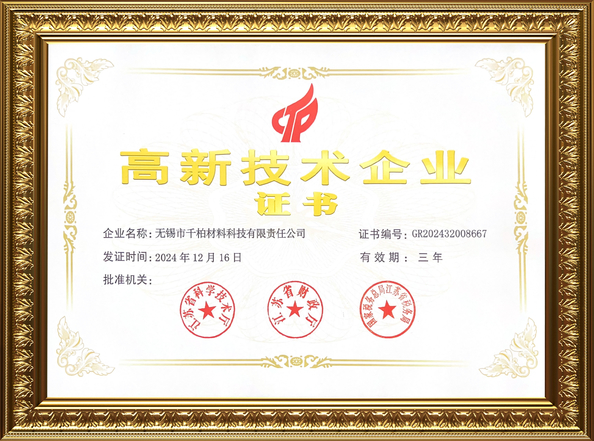
Other business, membership and historical documents are shown for reference. Check the document type and validity period, and request the current documentation needed for your supplier approval.
Read our technical guide on XRF and OES for cast-steel material verification. To discuss a component, contact EB Castings with the drawing, material grade, quantity and required inspection documents. A focused technical brief gives your project a clearer starting point.