|
|
| MOQ: | 700kg |
| Price: | USD 1.6~4.0/kg |
| Standard Packaging: | Pallets |
| Delivery Period: | It depends on the quantity to be ordered. |
| Payment Method: | L/C,T/T,Western Union |
| Supply Capacity: | 10000 tons per year |
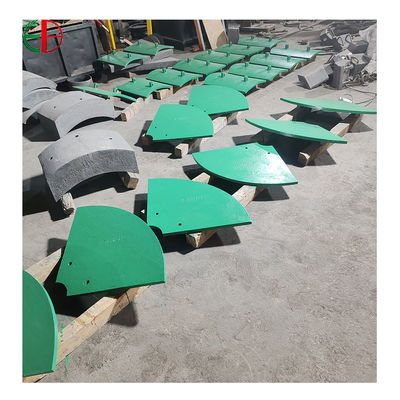
Ni-Hard 4 sand cast liners combine an abrasion-resistant alloy white iron with a component shape defined for industrial equipment. The liner acts as a replaceable wear element, allowing the contacting surface to be specified separately from the machine structure it protects. This listing focuses on material definition, casting geometry and the inspection details needed for an industrial liner order.
Ni-Hard 4 is a nickel-chromium white iron with a carbide-containing structure. Its wear behaviour depends on both the hard constituents and the surrounding matrix. Heat treatment and section size are therefore relevant to the delivered casting, not merely additional words in the product description.
The material is considered for abrasive service, with the actual operating duty determining suitability. A liner handling sliding particles and one exposed to repeated concentrated impact may need different design decisions. The quotation should connect the grade to the intended duty and the finished component.
Sand moulding establishes the main outline, thickness and cast features of the liner. The drawing then identifies the fixing details, seating faces and any surfaces that need additional finishing. A clear distinction between the cast outline and the critical installation features helps define what the customer receives.
For curved or shaped liners, include the profile reference and how neighbouring pieces meet. Hole locations should be related to the mounting surface, not just measured from an edge that may not locate the liner in the equipment. These details are important for replacement compatibility.
AS2027 NiCr4-600 is the material designation used for this product. Where an order references ASTM A532, identify the required class, type and delivery condition in the purchase specification. A general standard number is not a substitute for the actual grade and acceptance criteria.
Agree the hardness test method, measurement location and sampling requirements with the specified material condition. Dimensional inspection addresses the mounting and profile requirements. Chemistry records or additional examinations can be included in the order when required for the project.
Industrial enquiries may include grinding and material-handling equipment, with the specific liner location identified on the drawing. Useful operating information includes the handled material, feed size, impact conditions and previous wear pattern. This information supports selection without assigning one calendar lifetime to every installation.
| Parameter | Product specification |
|---|---|
| Material | AS2027 NiCr4-600 |
| Product form | Custom cast wear plate / liner |
| Manufacturing process | Sand casting |
| Surface cleaning | Shot blasting |
| Dimensions | Drawing-defined profile, thickness and installation dimensions |
| Mounting | Fixing-hole pattern and seating geometry to the approved drawing |
| Hardness and condition | Selected grade specification and agreed test method |
| Inspection | Drawing dimensions and order-specified material records |
Composition ranges are expressed as weight percent for the specified material; batch chemistry records are agreed with the order.
| Element | Composition (%) |
|---|---|
| Carbon (C) | 2.5-3.5 |
| Silicon (Si) | 1.5-2.5 |
| Manganese (Mn) | 0.3-0.8 |
| Sulfur (S) | ≤0.08 |
| Phosphorus (P) | ≤0.08 |
| Chromium (Cr) | 8.0-10.0 |
| Nickel (Ni) | 4.5-6.5 |
| Molybdenum (Mo) | ≤0.4 |
Specify the alloy and the installation together. Contact EB Castings with your Ni-Hard 4 liner drawing and acceptance requirements for a clearly defined industrial casting quotation.
Product enquiries: cast@ebcastings.com or ebcastings@163.com.
The process chart illustrates the casting workflow; the NEWCAST banner is a historical exhibition reference from 2015. Product shapes are shown in the gallery above.
![]()
![]()
![]()
![]()
|
|
| MOQ: | 700kg |
| Price: | USD 1.6~4.0/kg |
| Standard Packaging: | Pallets |
| Delivery Period: | It depends on the quantity to be ordered. |
| Payment Method: | L/C,T/T,Western Union |
| Supply Capacity: | 10000 tons per year |
Ni-Hard 4 sand cast liners combine an abrasion-resistant alloy white iron with a component shape defined for industrial equipment. The liner acts as a replaceable wear element, allowing the contacting surface to be specified separately from the machine structure it protects. This listing focuses on material definition, casting geometry and the inspection details needed for an industrial liner order.
Ni-Hard 4 is a nickel-chromium white iron with a carbide-containing structure. Its wear behaviour depends on both the hard constituents and the surrounding matrix. Heat treatment and section size are therefore relevant to the delivered casting, not merely additional words in the product description.
The material is considered for abrasive service, with the actual operating duty determining suitability. A liner handling sliding particles and one exposed to repeated concentrated impact may need different design decisions. The quotation should connect the grade to the intended duty and the finished component.
Sand moulding establishes the main outline, thickness and cast features of the liner. The drawing then identifies the fixing details, seating faces and any surfaces that need additional finishing. A clear distinction between the cast outline and the critical installation features helps define what the customer receives.
For curved or shaped liners, include the profile reference and how neighbouring pieces meet. Hole locations should be related to the mounting surface, not just measured from an edge that may not locate the liner in the equipment. These details are important for replacement compatibility.
AS2027 NiCr4-600 is the material designation used for this product. Where an order references ASTM A532, identify the required class, type and delivery condition in the purchase specification. A general standard number is not a substitute for the actual grade and acceptance criteria.
Agree the hardness test method, measurement location and sampling requirements with the specified material condition. Dimensional inspection addresses the mounting and profile requirements. Chemistry records or additional examinations can be included in the order when required for the project.
Industrial enquiries may include grinding and material-handling equipment, with the specific liner location identified on the drawing. Useful operating information includes the handled material, feed size, impact conditions and previous wear pattern. This information supports selection without assigning one calendar lifetime to every installation.
| Parameter | Product specification |
|---|---|
| Material | AS2027 NiCr4-600 |
| Product form | Custom cast wear plate / liner |
| Manufacturing process | Sand casting |
| Surface cleaning | Shot blasting |
| Dimensions | Drawing-defined profile, thickness and installation dimensions |
| Mounting | Fixing-hole pattern and seating geometry to the approved drawing |
| Hardness and condition | Selected grade specification and agreed test method |
| Inspection | Drawing dimensions and order-specified material records |
Composition ranges are expressed as weight percent for the specified material; batch chemistry records are agreed with the order.
| Element | Composition (%) |
|---|---|
| Carbon (C) | 2.5-3.5 |
| Silicon (Si) | 1.5-2.5 |
| Manganese (Mn) | 0.3-0.8 |
| Sulfur (S) | ≤0.08 |
| Phosphorus (P) | ≤0.08 |
| Chromium (Cr) | 8.0-10.0 |
| Nickel (Ni) | 4.5-6.5 |
| Molybdenum (Mo) | ≤0.4 |
Specify the alloy and the installation together. Contact EB Castings with your Ni-Hard 4 liner drawing and acceptance requirements for a clearly defined industrial casting quotation.
Product enquiries: cast@ebcastings.com or ebcastings@163.com.
The process chart illustrates the casting workflow; the NEWCAST banner is a historical exhibition reference from 2015. Product shapes are shown in the gallery above.
![]()
![]()
![]()
![]()