Products
PRODUCTS DETAILS
Home > Products >
Aluminum Alloy Die Castings Aluminum CNC Machining Aluminum Forging

Aluminum Alloy Die Castings Aluminum CNC Machining Aluminum Forging

MOQ: 5 kg/kgs
Price: $0.09 - $10.00/ Piece
Standard Packaging: Pallets
Delivery Period: It depends on the quantity to be ordered.
Payment Method: By T/T or L/C
Supply Capacity: 10000 Tons Per Year
Detail Information
Place of Origin
China
Brand Name
Eternal Bliss
Certification
ISO9001:2008
Model Number
EB7307
Product Name:
Aluminum Die Casting, CNC Machining And Forging Parts
Material:
Aluminum Alloy; Grade And Product Form To The Approved Specification
Dimensions:
Customer Required
CNC Machining Or Not:
Machining Scope To The Approved Part Specification
Type:
Custom Aluminum Component To The Approved Part Definition
Micro Machining Or Not:
Feature Sizes And Feasibility To The Approved Drawing
Process:
Die Casting, CNC Machining Or Forging; Route Specified Per Part
Color:
Customized Color
Tolerance:
Feature-specific Tolerances To The Approved Drawing
Surface Finish:
Finish To Be Agreed For The Specified Alloy And Application
Machining Equipment:
Equipment Suitability To Be Reviewed Against Part Size And Features
Highlight:

Aluminum Alloy Die Castings

,

Aluminum Forging Die Castings

,

Aluminum CNC Machining Die Castings

Product Description

Aluminum die casting, CNC machining and forging address different ways of making a metal component. This product listing brings those process enquiries together so the supply scope can be matched to the drawing: a shaped blank, a machined part or a defined combination of manufacturing stages. The emphasis is on selecting a useful route for the component, not applying every process to every part.

Three processes, three distinct roles

Die casting forms a component by filling a metal die with molten alloy under pressure. It can incorporate complex features into the formed shape and is commonly considered for repeated production where tooling is justified. The tool geometry, wall layout and any subsequent machining requirements are important parts of the enquiry.

CNC machining removes material to establish specified faces, pockets, bores and holes. It is particularly relevant where mating geometry must be defined precisely on the finished component. Machining may start from a suitable stock form or follow an agreed forming process.

Forging shapes metal by compressive force rather than by filling a mould with liquid metal. A forged blank and a cast blank therefore represent different starting products. The required alloy, shape and delivery condition should be selected for the chosen route.

Component features and functional value

A mounting component may need a flat seating surface and a controlled hole pattern. A housing may combine an outer body with machined internal interfaces. A connecting part may place greater emphasis on its load path and material condition. These examples show why the shape, function and production quantity are considered together.

The benefit of defining the complete scope early is a clearer handover between forming and finishing. Datums, machining allowances and final dimensions connect the starting blank to the assembly drawing, reducing ambiguity about what is included in the finished part.

How to compare production options

For a new component, compare tooling needs, material form, machining content and expected repeat volume rather than the process name alone. For replacement parts, identify whether the existing drawing specifies a manufacturing route that must be retained.

Finishing and inspection are separate line items in the component specification. Visible appearance, functional fits and any material documentation can then be quoted against the same revision-controlled drawing.

Technical specification overview

Parameter Product specification
Product category Custom aluminum cast, forged or machined component
Material Aluminum alloy matched to the selected route
Process options Die casting, CNC machining or forging
Supply stage Blank or finished component as quoted
Part geometry Drawing-defined external and internal features
Critical interfaces Mounting faces, bores, holes and mating dimensions
Surface treatment Selected for alloy, appearance and service requirements
Acceptance basis Approved drawing, material condition and inspection scope

Discuss your component with EB Castings

Choose the route around the part. Share your component drawing and expected quantities with EB Castings for a quotation that clearly identifies forming, machining and finishing requirements.

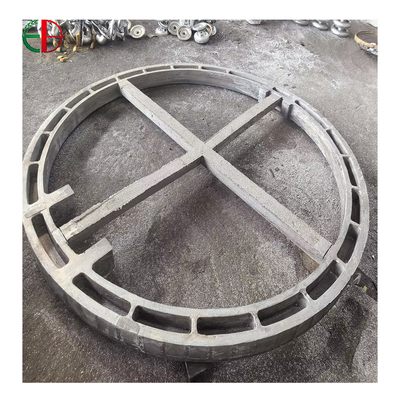
Product reference photographs

Photographs illustrate component examples; the supplied part follows the approved drawing and order specification.

Product description

Machined circular component reference photograph

Machined circular component reference photograph

Machined ring reference photograph

Products
PRODUCTS DETAILS
Aluminum Alloy Die Castings Aluminum CNC Machining Aluminum Forging
MOQ: 5 kg/kgs
Price: $0.09 - $10.00/ Piece
Standard Packaging: Pallets
Delivery Period: It depends on the quantity to be ordered.
Payment Method: By T/T or L/C
Supply Capacity: 10000 Tons Per Year
Detail Information
Place of Origin
China
Brand Name
Eternal Bliss
Certification
ISO9001:2008
Model Number
EB7307
Product Name:
Aluminum Die Casting, CNC Machining And Forging Parts
Material:
Aluminum Alloy; Grade And Product Form To The Approved Specification
Dimensions:
Customer Required
CNC Machining Or Not:
Machining Scope To The Approved Part Specification
Type:
Custom Aluminum Component To The Approved Part Definition
Micro Machining Or Not:
Feature Sizes And Feasibility To The Approved Drawing
Process:
Die Casting, CNC Machining Or Forging; Route Specified Per Part
Color:
Customized Color
Tolerance:
Feature-specific Tolerances To The Approved Drawing
Surface Finish:
Finish To Be Agreed For The Specified Alloy And Application
Machining Equipment:
Equipment Suitability To Be Reviewed Against Part Size And Features
Minimum Order Quantity:
5 kg/kgs
Price:
$0.09 - $10.00/ Piece
Packaging Details:
Pallets
Delivery Time:
It depends on the quantity to be ordered.
Payment Terms:
By T/T or L/C
Supply Ability:
10000 Tons Per Year
Highlight

Aluminum Alloy Die Castings

,

Aluminum Forging Die Castings

,

Aluminum CNC Machining Die Castings

Product Description

Aluminum die casting, CNC machining and forging address different ways of making a metal component. This product listing brings those process enquiries together so the supply scope can be matched to the drawing: a shaped blank, a machined part or a defined combination of manufacturing stages. The emphasis is on selecting a useful route for the component, not applying every process to every part.

Three processes, three distinct roles

Die casting forms a component by filling a metal die with molten alloy under pressure. It can incorporate complex features into the formed shape and is commonly considered for repeated production where tooling is justified. The tool geometry, wall layout and any subsequent machining requirements are important parts of the enquiry.

CNC machining removes material to establish specified faces, pockets, bores and holes. It is particularly relevant where mating geometry must be defined precisely on the finished component. Machining may start from a suitable stock form or follow an agreed forming process.

Forging shapes metal by compressive force rather than by filling a mould with liquid metal. A forged blank and a cast blank therefore represent different starting products. The required alloy, shape and delivery condition should be selected for the chosen route.

Component features and functional value

A mounting component may need a flat seating surface and a controlled hole pattern. A housing may combine an outer body with machined internal interfaces. A connecting part may place greater emphasis on its load path and material condition. These examples show why the shape, function and production quantity are considered together.

The benefit of defining the complete scope early is a clearer handover between forming and finishing. Datums, machining allowances and final dimensions connect the starting blank to the assembly drawing, reducing ambiguity about what is included in the finished part.

How to compare production options

For a new component, compare tooling needs, material form, machining content and expected repeat volume rather than the process name alone. For replacement parts, identify whether the existing drawing specifies a manufacturing route that must be retained.

Finishing and inspection are separate line items in the component specification. Visible appearance, functional fits and any material documentation can then be quoted against the same revision-controlled drawing.

Technical specification overview

Parameter Product specification
Product category Custom aluminum cast, forged or machined component
Material Aluminum alloy matched to the selected route
Process options Die casting, CNC machining or forging
Supply stage Blank or finished component as quoted
Part geometry Drawing-defined external and internal features
Critical interfaces Mounting faces, bores, holes and mating dimensions
Surface treatment Selected for alloy, appearance and service requirements
Acceptance basis Approved drawing, material condition and inspection scope

Discuss your component with EB Castings

Choose the route around the part. Share your component drawing and expected quantities with EB Castings for a quotation that clearly identifies forming, machining and finishing requirements.

Product reference photographs

Photographs illustrate component examples; the supplied part follows the approved drawing and order specification.

Product description

Machined circular component reference photograph

Machined circular component reference photograph

Machined ring reference photograph

sitemap |  Privacy Policy | China Good Quality Nickel Alloy Casting Supplier. Copyright © 2018-2026 Eternal Bliss Alloy Casting & Forging Co.,LTD. . All Rights Reserved.